Problem: Small spaces can make working from home challenging.
Agitation: Crowded environments reduce productivity and increase stress.
Solution: Optimize space and design for focus and comfort.
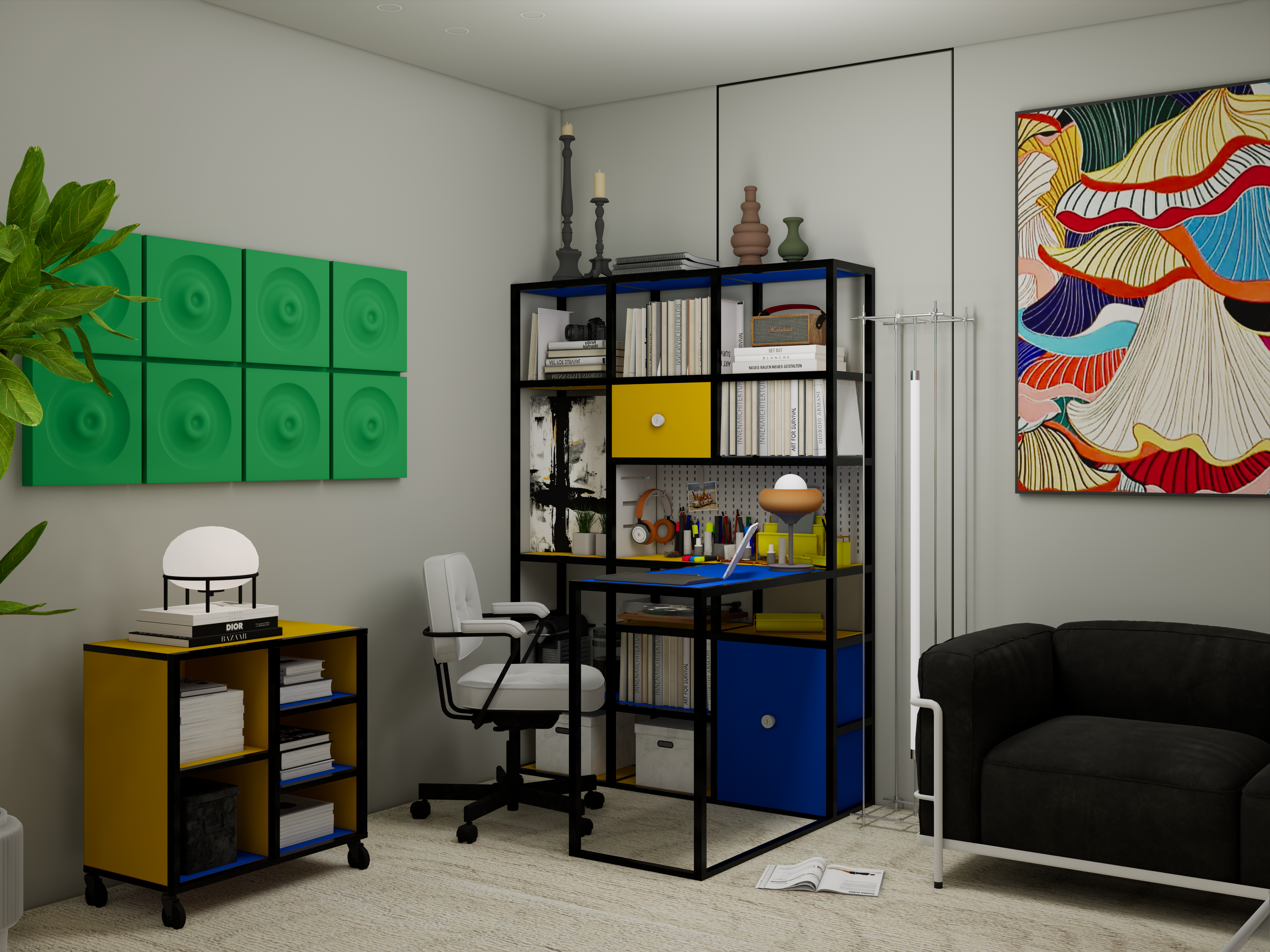
A small home office can be efficient by using multifunctional furniture, vertical storage, and creative layouts.
Don’t worry about your limited space; with the right ideas, your home office can look great and function well.
How do you maximize space in a small home office?
Problem: A cramped area can feel overwhelming and hinder productivity.
Agitation: It’s hard to stay organized when there’s no room for your essentials.
Solution: Smart storage and design make all the difference.
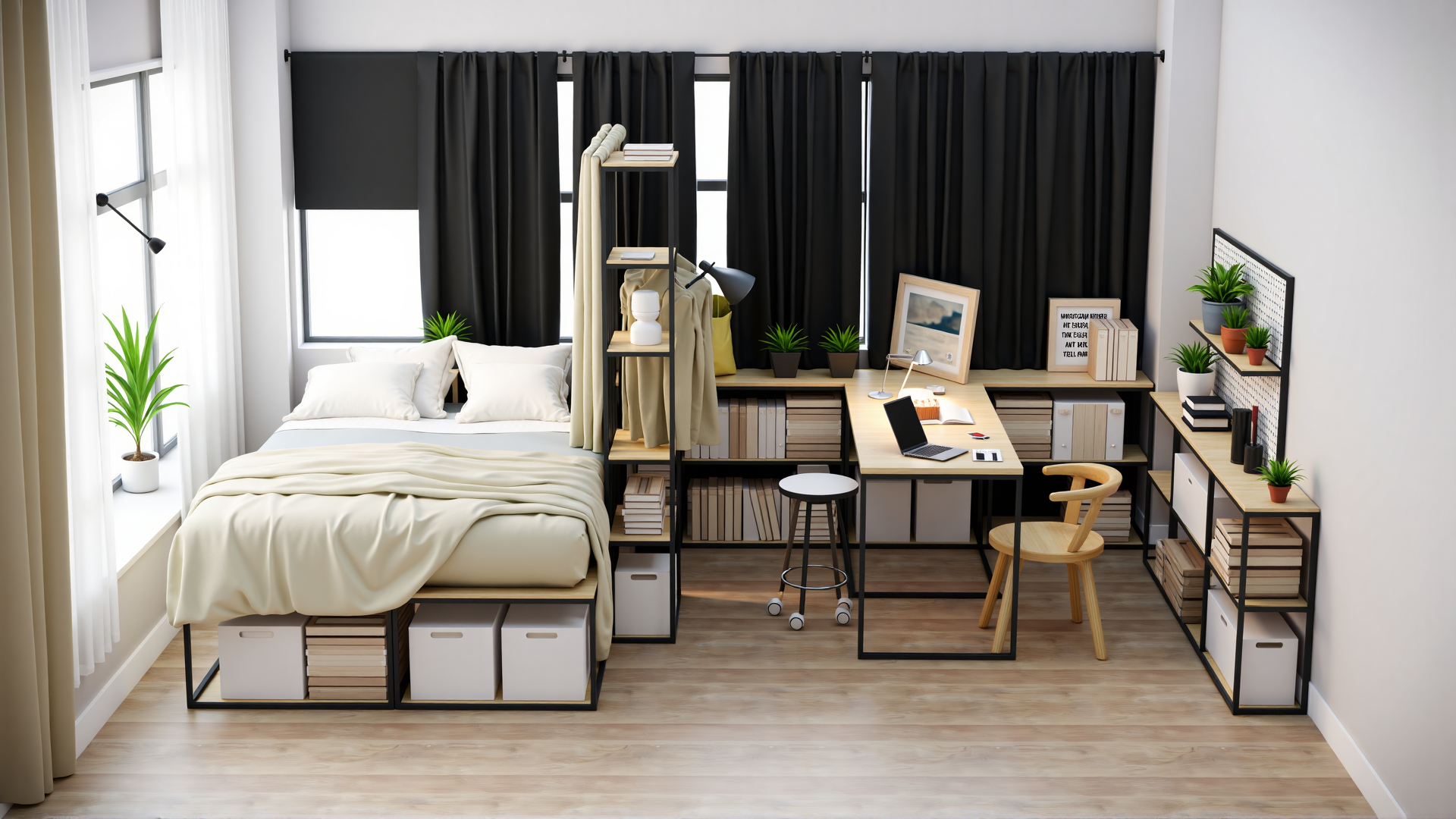
Use wall-mounted shelves, foldable desks, and under-desk storage to free up space while keeping everything organized.
Key Strategies to Maximize Space
- Wall-Mounted Solutions: Install shelves or pegboards for vertical storage.
- Compact Desks: Choose slim desks or foldable options to save floor space.
- Multifunctional Furniture: Look for items like chairs with built-in storage.
| Feature | Benefits |
|---|---|
| Wall-Mounted Shelves | Saves floor space |
| Pegboards | Keeps tools accessible |
| Foldable Furniture | Offers flexibility |
Organizing isn’t just about looks; it’s about creating a space where you can think clearly.
What is a good size for a small home office?
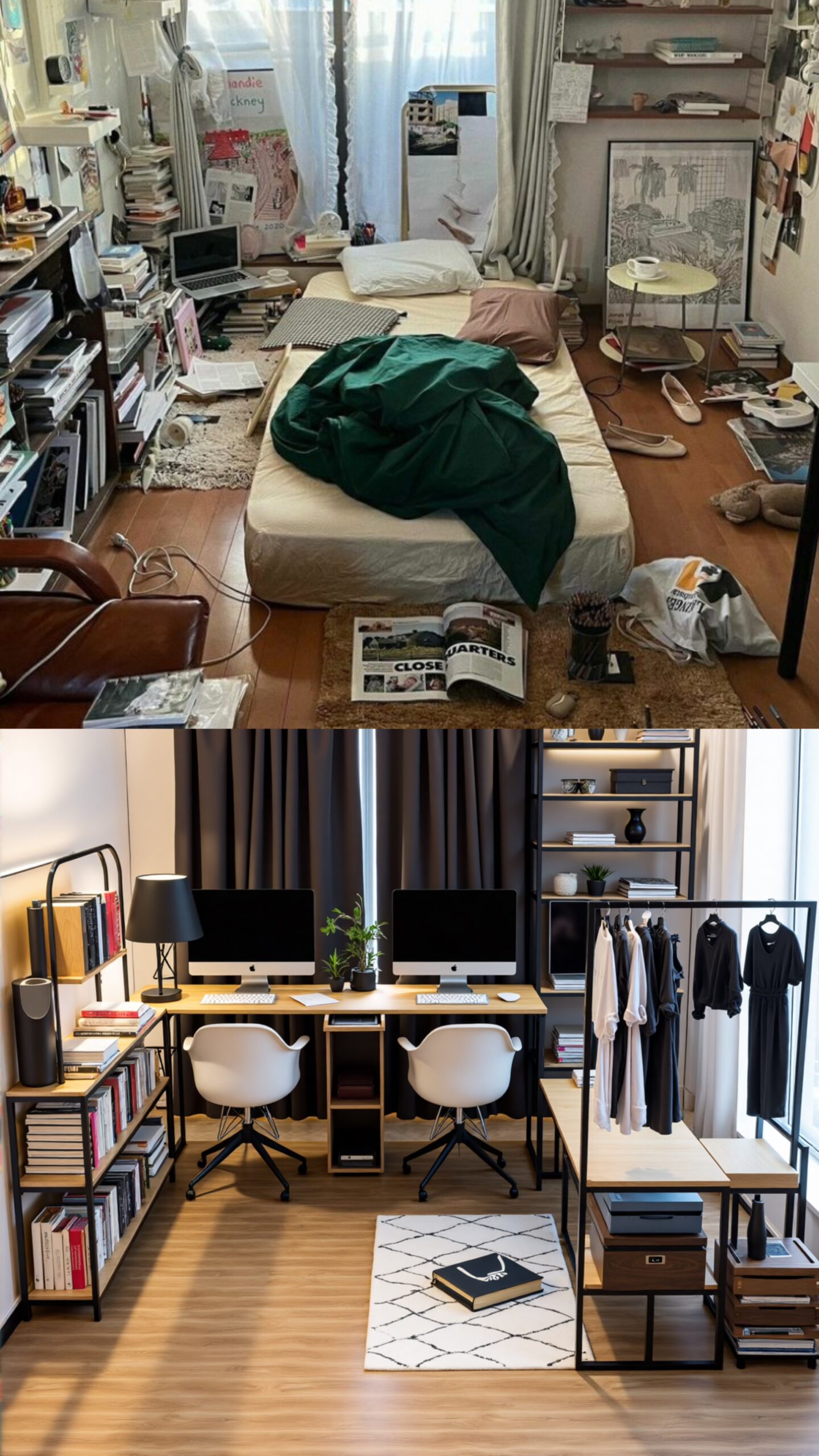
Problem: Uncertainty about space requirements leads to ineffective setups.
Agitation: Too small, and it’s uncomfortable. Too large, and you lose valuable room.
Solution: Determine the size based on your needs and available space.
A home office can work well even in a 5×7-foot area with a minimalist approach and spatial optimization.
Finding the Right Size for Your Needs
- Minimalist Setup: If you only need a laptop, a small desk and chair in a corner can work.
- Moderate Setup: For a desktop, printer, and files, aim for at least 7×7 feet.
- Shared Spaces: Combine an office with another function, like a guest room.
| Size | Ideal Use Case |
|---|---|
| 5×7 ft | Laptop and light paperwork |
| 7×7 ft | Full desktop setup |
| 10×10 ft | Shared office or studio space |
Choosing the right size helps balance functionality with the space you have.
How do I set up an inexpensive home office?
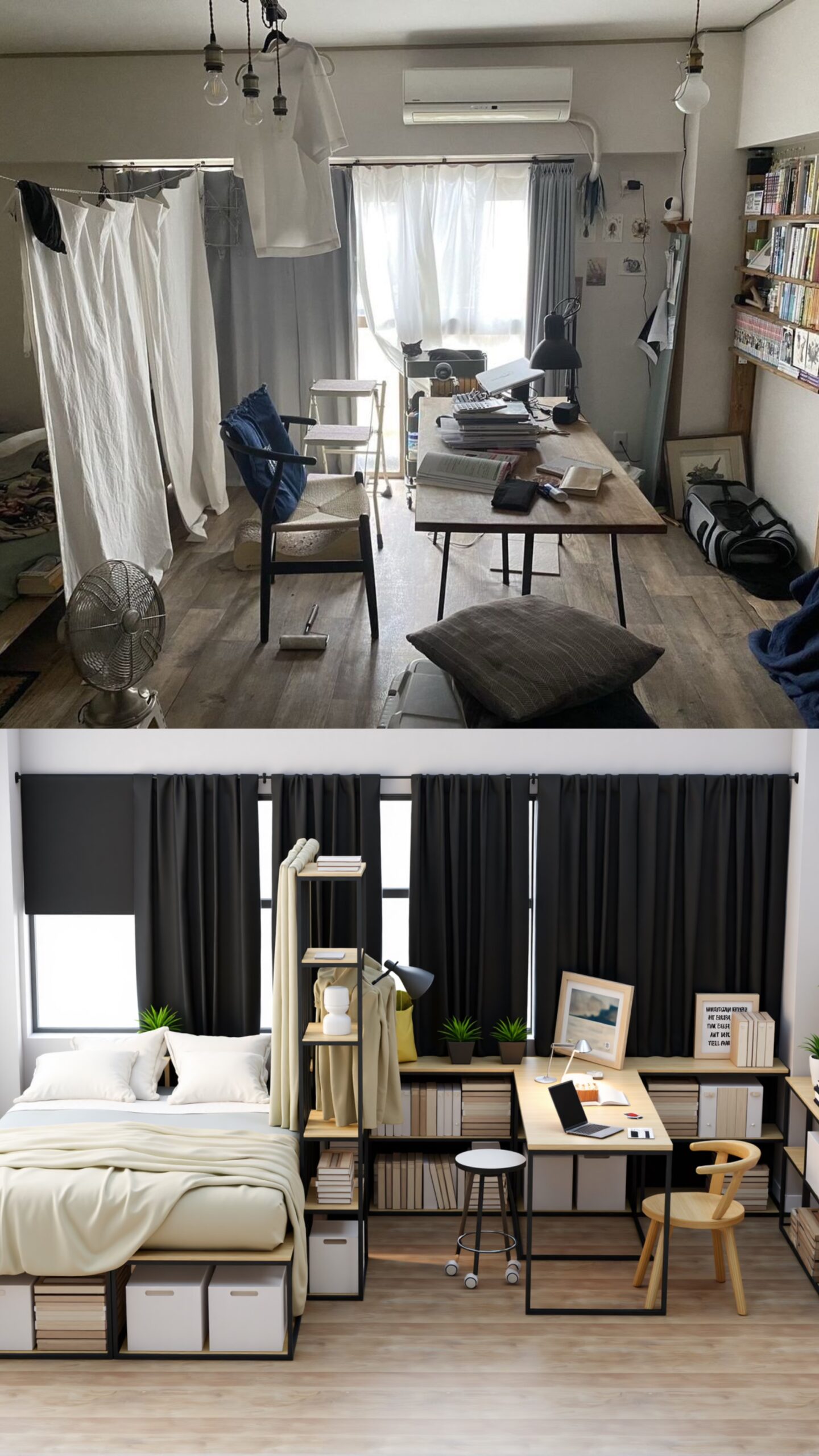
Problem: Budget constraints can limit design options.
Agitation: Professional-grade setups often come with hefty price tags.
Solution: Affordable DIY setups can still be highly effective.
Repurpose furniture, shop secondhand, or use simple materials to set up a low-cost home office.
Affordable Home Office Tips
- DIY Furniture: Use crates, boards, or upcycled materials to build your desk.
- Secondhand Finds: Search for budget-friendly chairs and desks online.
- Smart Investments: Spend on a good ergonomic chair and lighting for comfort.
| Budget Idea | Cost-Saving Benefits |
|---|---|
| Repurposed Desk | Customizable and cheap |
| Secondhand Items | High quality, low price |
| DIY Accessories | Fully personalized setup |
Creating a budget-friendly office is about resourcefulness, not compromise.
Should your desk face a window?
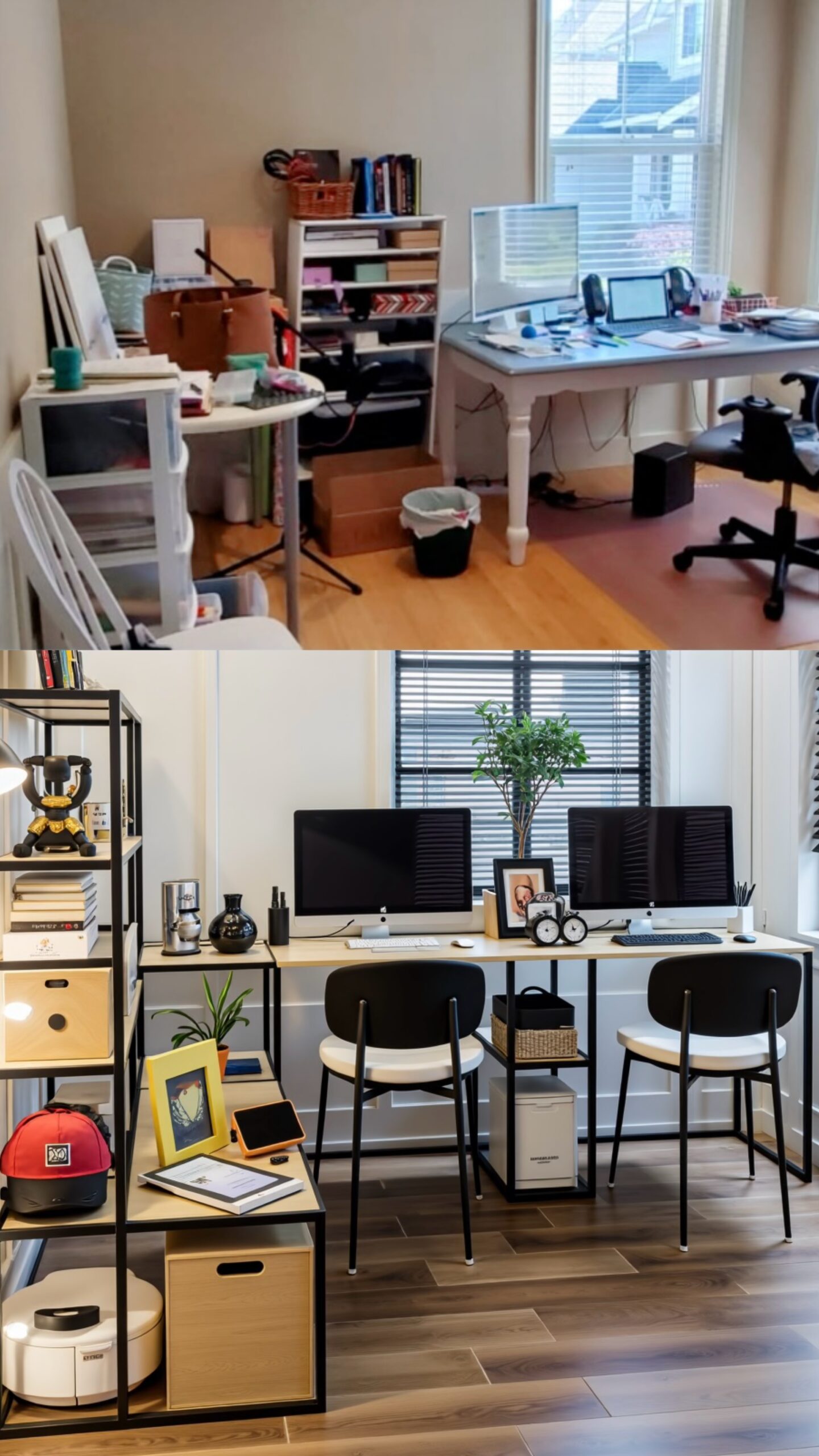
Problem: Desk placement affects light, mood, and productivity.
Agitation: A poorly placed desk can lead to distractions or bad lighting.
Solution: Positioning your desk thoughtfully can improve focus and comfort.
Placing your desk near a window enhances natural light and mood but avoid direct glare on screens to prevent eye strain.
Desk Placement Considerations
- Natural Light: Use daylight to reduce eye strain, but manage reflections with curtains.
- Distraction-Free Views: Avoid high-traffic outdoor areas.
- Lighting Alternatives: If natural light isn’t an option, invest in quality desk lamps.
| Placement | Benefits |
|---|---|
| Facing Window | Mood-boosting, bright |
| Beside Window | Reduced glare |
| Away from Window | Focused lighting |
Strategic desk placement transforms your work environment.
How do I create a minimalist home office?
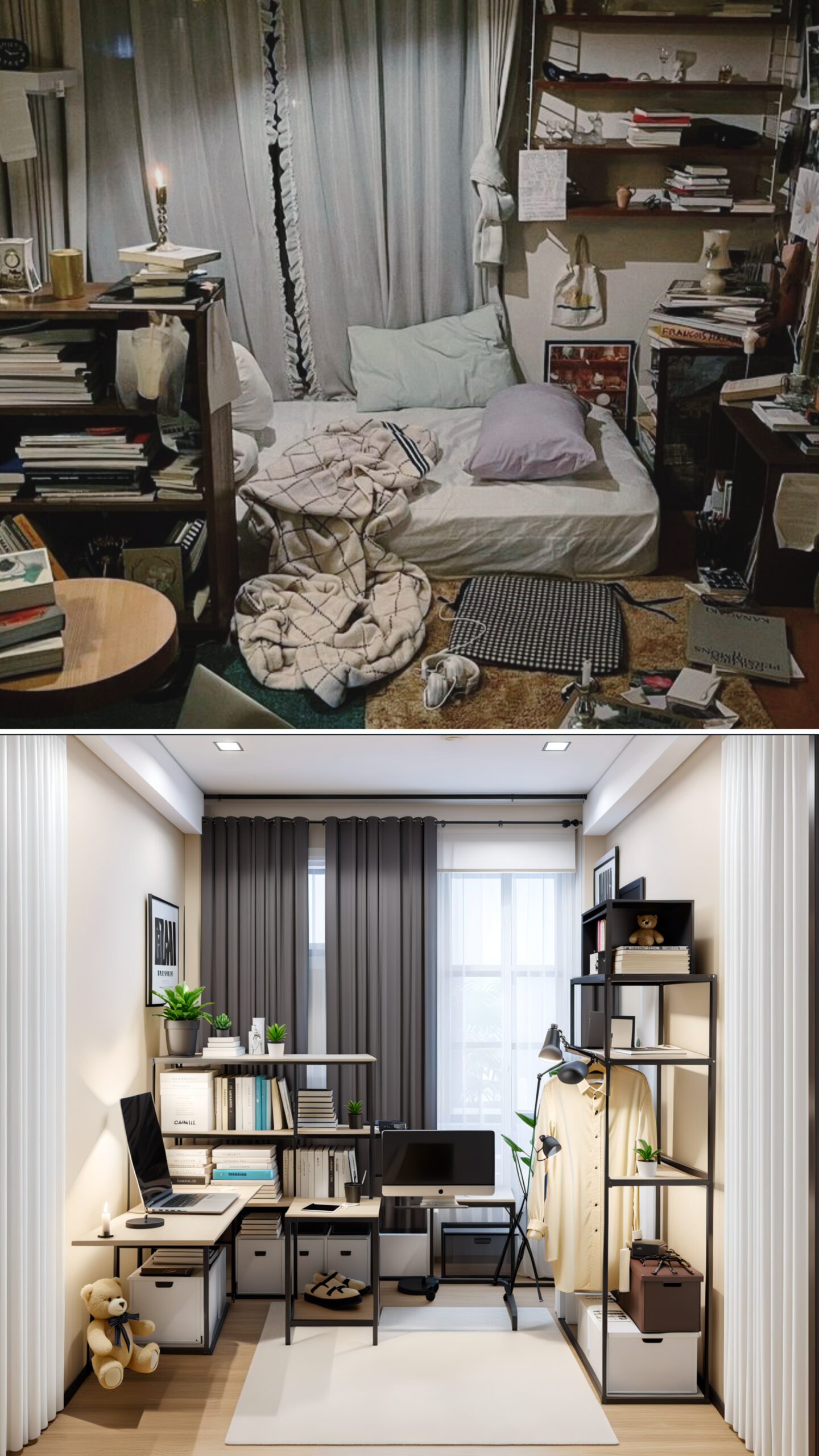
Problem: Clutter can be a constant source of distraction.
Agitation: Too many items lead to inefficiency and mental fatigue.
Solution: Minimalism creates a calm and focused space.
Choose only essential items, keep decor simple, and use neutral colors for a minimalist office.
Minimalism Tips for Small Spaces
- Declutter: Start with the items you truly need.
- Neutral Palette: Use whites, grays, and soft tones for a clean look.
- Simple Furniture: Avoid ornate designs; stick to sleek lines.
| Minimalist Principle | Practical Example |
|---|---|
| Decluttering | Limit desk items to three |
| Neutral Colors | White desk, gray walls |
| Functional Design | Hidden storage units |
Minimalism is about freeing your mind and your space for what truly matters.
Conclusion
A small home office can be functional, affordable, and beautiful with smart design choices.